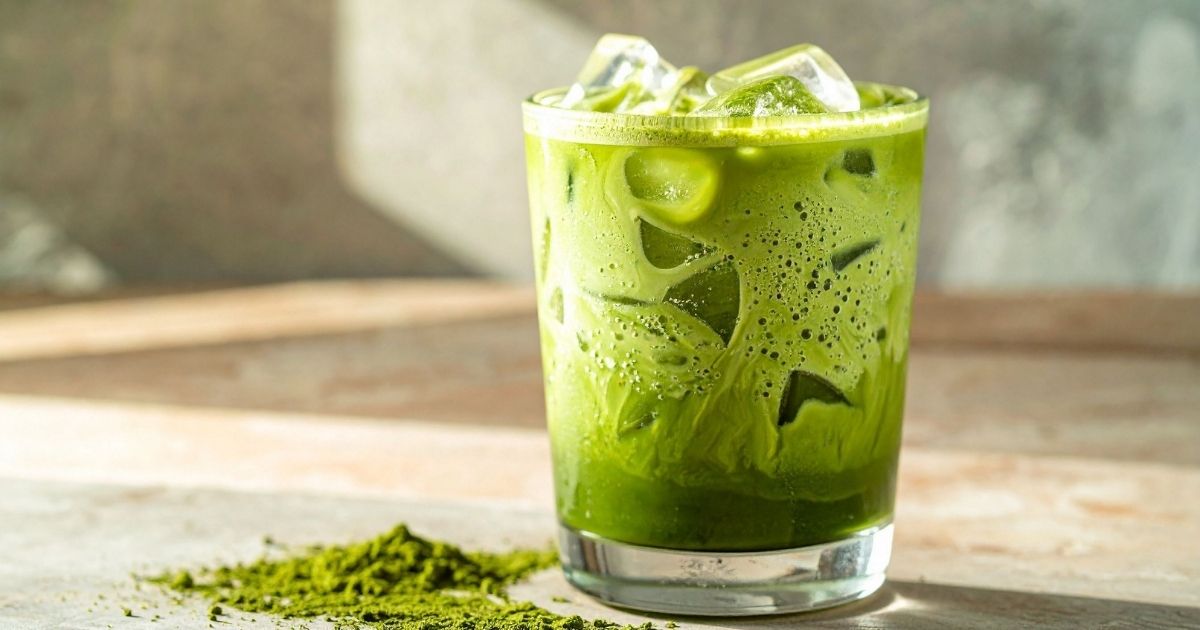
Matcha went from a niche Japanese tea ceremony tradition to a $4+ billion global market in what felt like overnight. Starbucks now has six permanent matcha drinks. Blank Street Coffee built a $500 million brand around it. Caffè Nero sold 1.3 million matcha drinks in a single summer. The Dubai Chocolate Matcha racked up 50 million social media views and became the most viral Starbucks drink of 2025.
But if you've never had matcha, the hype can be confusing. What does it actually taste like? How is it different from regular green tea? Why do people claim it gives them "calm energy" instead of jitters? And is it worth paying $5–$6 for a drink that's basically green milk?
Here's everything you need to know.
What Matcha Actually Is
Matcha is finely ground powder made from specially grown green tea leaves. The key difference from regular green tea: with normal green tea, you steep the leaves in water and discard them. With matcha, you consume the entire leaf in powdered form. This means you're getting a much more concentrated dose of everything the leaf contains — caffeine, antioxidants, amino acids, and flavor.
The growing process is what makes matcha distinct. About 3–4 weeks before harvest, the tea plants are covered with shade cloths, cutting off most sunlight. The plants respond by producing dramatically more chlorophyll (which gives matcha its vivid green color) and more L-theanine (the amino acid responsible for the "calm energy" effect). After harvest, the leaves are steamed, dried, de-stemmed, and stone-ground into an extremely fine powder.
This labor-intensive production is why good matcha is expensive. A 30g tin of ceremonial-grade matcha (about 15 servings) runs $25–$40. The matcha used at Starbucks and most chain cafés is culinary grade — less refined, more bitter, but far cheaper to produce at scale.
What It Tastes Like (Honestly)
Matcha's flavor profile is unlike anything else in the coffee shop. The taste is earthy, vegetal, slightly grassy, with natural sweetness and a creamy body. High-quality ceremonial matcha is smoother and sweeter, with almost no bitterness. Lower-grade culinary matcha (what chains use) is more bitter and astringent.
In a latte with milk and sweetener — the way most people encounter matcha for the first time — the grassiness softens considerably. It becomes creamy, mildly sweet, and approachable. People often describe their first matcha latte as tasting "like green tea but richer and more interesting." The sweetener you choose matters: vanilla softens and rounds the flavor, while brown sugar adds warmth that complements the earthiness.
The honest caveat: some people simply don't enjoy earthy, vegetal flavors. If you dislike the taste of green vegetables, green tea, or herbal/botanical flavors, matcha might not be for you regardless of what milk or syrup you add. And that's fine — it's a flavor preference, not a character flaw.
Matcha vs. Coffee: The Real Comparison
The core difference is the L-theanine. This amino acid crosses the blood-brain barrier and promotes alpha brain wave activity — the state associated with calm, focused attention. When paired with caffeine, L-theanine smooths out the spike-and-crash pattern that coffee creates. The subjective experience: matcha feels like turning on a soft, steady lamp rather than flipping a fluorescent light switch. You're alert and focused, but without the racing heart or anxious edge that higher caffeine doses can produce.
This is why matcha has become the drink of choice for people who love caffeine but hate what coffee does to their nervous system. It's particularly popular among people prone to caffeine-related anxiety and among students seeking sustained focus for study sessions.
Why Matcha Exploded in 2025–2026
The matcha trend isn't new — it's been building for years. But several things converged in 2025–2026 to push it into mainstream dominance:
Starbucks reformulated its matcha. In early 2025, Starbucks switched from a pre-sweetened matcha powder (sugar + matcha blended together) to unsweetened matcha powder. This was one of the most requested changes in Starbucks history. It gave customers full control over sweetness and made matcha lattes genuinely customizable for the first time. The unsweetened version also tastes noticeably better — more tea-forward, less artificial.
The Dubai Chocolate Matcha went nuclear. A TikTok secret menu creation combining pistachio sauce, matcha, and chocolate cream cold foam hit roughly 50 million views and became so popular that Starbucks made it an official limited-time menu item in January 2026. It introduced matcha to millions of people who had never tried it.
Blank Street built a $500 million brand on it. The New York-based café chain made matcha its signature, proving that an entire coffee business could be built around the ingredient. Other chains noticed and expanded their matcha lineups accordingly.
The wellness-to-mainstream pipeline. Matcha started as a wellness/health drink — something you'd find at yoga studios and organic cafés. By 2026, it's at Starbucks, Dunkin', Dutch Bros, gas stations, and grocery stores. The global matcha market reached about $4 billion in 2025 and is projected to nearly double by 2030. Gen Z especially embraced it: 65% report preferring beverages with functional benefits, and matcha's L-theanine "calm energy" positioning fits perfectly.
Japan hit production limits. Demand outstripped supply, with Japanese matcha farms experiencing 20–30% yield drops in 2025. Authentic Japanese matcha now accounts for only half the global market, with lower-grade alternatives growing rapidly. A quality debate between ceremonial and culinary grade has intensified, which only adds to the cultural conversation.
Every Matcha Drink at Starbucks (2026)
Starbucks now has six permanent matcha drinks — more than ever — plus seasonal varieties. Here's the complete lineup:
| Drink | Caffeine | Price | Status |
|---|---|---|---|
| Matcha Tea Latte (classic) | 80mg | ~$5.25 | Permanent |
| Iced Double Berry Matcha | 80mg | ~$5.75 | Permanent (Feb 2026) |
| Iced Banana Bread Matcha | 80mg | ~$5.75 | Permanent (Feb 2026) |
| Iced Mango Cream Matcha | 80mg | ~$5.95 | Permanent (April 7) |
| Caramel Protein Matcha | 80mg | ~$5.95 | Permanent (Jan 2026) |
| Matcha Crème Frappuccino | 70mg | ~$5.95 | Permanent |
| Iced Lavender Cream Matcha | 80mg | ~$5.95 | Seasonal (Spring 2026) |
| Dubai Chocolate Matcha | 80mg | ~$6.95 | Limited (while supplies last) |
The Best Matcha Orders for Different Preferences
Matcha at Dunkin' and Dutch Bros
Starbucks isn't the only option. Here's how matcha compares across chains:
| Chain | Matcha Options | Sweetness | Price (Medium) |
|---|---|---|---|
| Starbucks | 6 permanent + seasonal | Unsweetened powder (add syrup) | ~$5.25–$5.95 |
| Dunkin' | Matcha Latte (hot/iced), Bananarama Matcha | Pre-sweetened | ~$4.69 |
| Dutch Bros | Matcha lattes, Matcha Freezes | Pre-sweetened | ~$5.50–$6.50 |
The key difference: Starbucks is the only major chain with unsweetened matcha powder (since the 2025 reformulation). Dunkin' and Dutch Bros both use pre-sweetened matcha, meaning you have less control over the sugar content. If you're particular about sweetness, Starbucks gives you more flexibility. If you don't mind a sweeter baseline, Dunkin' is cheaper. For full chain guides, see our articles on Dunkin' and Dutch Bros.
Is Matcha Worth the Hype?
Yes, with a qualifier. Matcha is worth trying because it's a genuinely different caffeine experience — the L-theanine creates an energy curve that coffee can't replicate, and the lower acidity is easier on your stomach. The 2025 Starbucks reformulation made chain matcha significantly better. The expanding menu means there's now a matcha variation for almost every taste preference.
But matcha isn't magic. It has less caffeine than coffee, so if you need raw wakefulness, coffee is still the better tool. It's not zero-calorie when made as a latte with sweetener. And the earthy flavor genuinely isn't for everyone — no amount of social media hype changes taste biology.
The best approach: try a classic iced matcha latte with oat milk and vanilla. If you like it, you've found a new category of drinks to explore. If you don't, there's a whole world of non-coffee drinks that might suit you better. Not sure? Sipory includes matcha drinks in its recommendation engine — tell it your taste preferences and it'll tell you whether matcha fits your profile, with the exact order script for whichever chain you're at. For the complete Starbucks spring matcha lineup, see our spring 2026 guide.
Frequently Asked Questions
What does matcha taste like?
Matcha has an earthy, vegetal, slightly grassy flavor with natural sweetness and a creamy body. High-quality ceremonial-grade matcha is smoother and sweeter. Lower-grade matcha (common in chain cafés) is more bitter and astringent. In a latte with milk and sweetener, the grassiness softens into something like green tea meets vanilla milkshake — approachable and mild.
Is matcha better for you than coffee?
Matcha and coffee offer different benefits. Matcha has less caffeine per serving (80mg vs. 150–310mg in coffee), but it contains L-theanine, an amino acid that promotes calm alertness without the jitters or crash that coffee can cause. Matcha is also rich in antioxidants (catechins, particularly EGCG). Coffee is better for raw energy and has its own antioxidant profile. Neither is objectively "better" — it depends on what your body needs.
Does matcha have caffeine?
Yes. A Grande Starbucks Matcha Latte has about 80mg of caffeine — roughly half a Grande Latte (150mg) and a quarter of a Grande brewed coffee (310mg). The caffeine in matcha is released more gradually than coffee due to L-theanine, producing sustained alertness rather than a sharp spike and crash.
Why did Starbucks change its matcha in 2025?
In early 2025, Starbucks reformulated its matcha powder to be unsweetened. Previously, the powder was pre-mixed with sugar, so customers couldn't control the sweetness of their matcha drink. Now the matcha is pure, and sweetness comes from whatever syrup you add (or don't add). This was a widely requested change that gives customers full control over flavor and sugar content.